





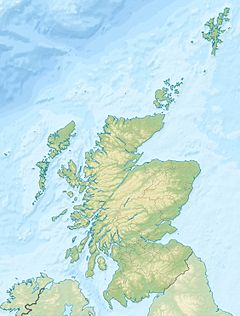
 Real estate Glasgow Glasgow (eng. Glasgow) – one of the largest cities in the UK and the largest city of Scotland. In terms of population it is second only to two cities : Birmingham and London, it is about 581.000 people. Also is the administrative center of the homonymous province.
Geographically Glasgow is located in the Western part of Central Scotland on the river Clyde. This city has a long and glorious history, for centuries one of the cultural, economic and religious centers not only in Scotland but across the UK. Daniel Defoe, a famous English writer, visited in 1723 the city, very warmly spoke about it, in particular, noting the magnificent architecture of Glasgow, for example, that there are, perhaps, the most beautiful houses in Britain, with which I can argue is that the house in London.
The patron Saint of the city is SV. Mungo, who according to legend created four miracles, which affected even the emblem of the city – Robin, the salmon, the oak and the bell. Image of the coat of arms of the city, and sometimes its individual characters in Glasgow can be seen everywhere. The city’s motto is also directly linked with the patron Saint of Glasgow, because it is believed that this excerpt from his sermons. “Let Glasgow flourish”, he said. The history of this city begins in ancient times. The researchers found that the first settlers on the lands, which later appeared in Glasgow, appeared in the Neolithic age. Subsequently, the land near the river Clyde was chosen by the Celtic tribes who lived there until the Roman conquest. In those days, the settlement that stood on the site of modern Glasgow, was called “Cathures”. Later, namely in 142-143 years there, to protect the settlements of the Britons from tribes from the North, was erected a shaft of Antonina – a chain of fortifications extending across the whole of Scotland. Even now you can find the dilapidated remains of this shaft, including in the heart of Glasgow. Though unconfirmed, but very popular legend claims, like St Mungo, the patron Saint of the city, was also its founder, in 543 year founded the monastery, which is subsequently named after him. Even how the city got its present name some people associated with the mSv. Mungo. Urban legend has it that he founded the grove Glesgu, which modified, and gave the modern Glasgow. Other versions indicate brythonic roots. During the early middle ages, Glasgow was an important religious center of Scotland. By the end of XII-th century the city’s population was about a thousand people.
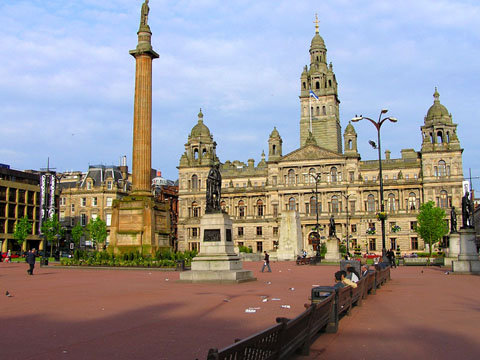 Of the most important events of those times not to mention the consecration of the Cathedral, erected on the site of the Church of SV. Mungo in 1136, the year of the restoration after the fire, finished in 1197 and granted by William I the Lion official status of the city with self-government. With distant 1190 years to today have preserved the tradition to hold an annual fair in late July. In the middle ages there flocked merchants and craftsmen who came from all the surrounding towns and villages. The emergence of Glasgow as the religious capital of Scotland continued, which contributed to the construction of the Cathedral, completed in the end of XII century, and then received in the end of XV-th century the status of Archbishopric. However, all this did not affect the low state of economic development of the city, as the geographical position of Glasgow has influenced the low level of trade. The population is mainly engaged in various crafts. The situation changed only in the early XVII century, marked by the unification of Scotland and England. By the end of the century Glasgow with its amazing pace of development has occupied the second place in terms of income among the cities of Scotland, behind only Edinburgh. Developed various industries, opened businesses, in particular the port was built. Also the XVII-th century was important for Glasgow and from a political point of view, as after the defeat of Scotland in war against England for this town was opened previously inaccessible opportunities for the expansion of spheres of influence. All these events affected a lot and the appearance of Glasgow, particularly on the city’s architecture, with the increase of population it was built many homes, developed in the sphere of education, particularly the University of Glasgow has been significantly expanded, for example, added to his library. For a long time wore let and informal, but no less than the honorary title of “Second city of the Empire”, after its parameters only to the capital London. Consequently, Glasgow has experienced the UPS and downs, particularly in the XX-th century, starting with the first world war, but in recent years the city has successfully emerged from the crisis, which continued about thirty years, and is again gaining significant momentum of development. Glasgow was awarded the honorary title of Cultural capital of Europe and Sport capital of Europe.
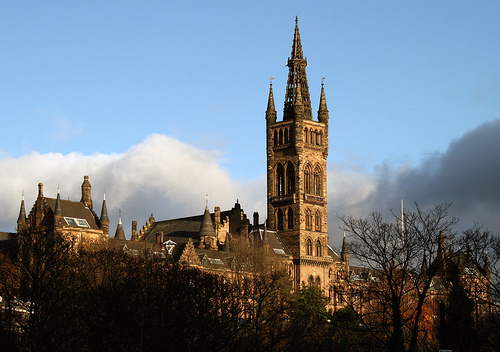
The city is teeming with diversity in cultural life. Seventy parks, a large number of theaters, including the theatre Royal and Pavilion, and many others, many museums, such as Kelvingrove gallery is the leader in attendance among the museums of Scotland, no less exciting is the visit to the Burrell collection, gathered under one roof works of art of different countries and eras. Glasgow can be considered a city of festivals, because there they are held all year round, the most famous of which is “West End”. No less advanced is the area of education. In the walls of the three major educational institutions : University of Glasgow, University of Strathclyde and Caledonian University in Glasgow, studying at an average of sixty-five thousand students per year, and besides these, there are art, theatre and music UNIVERSITIES. The total number of students is approximately 168.000 per year. In Glasgow and is the largest reference library in Europe that holds about a half million books and other valuable media information, and all libraries in the city, 37. Architecture of modern Glasgow city contains almost no traces of past eras, as have been preserved are too few buildings, built in the XVIII century or earlier. However, this does not diminish the unique flavor of this city. A huge number of the most beautiful and stylish buildings in Scotland are in Glasgow. Many of these buildings were designed by the famous architect Alexander Thompson. They combine all typical of the UK property features richly spiced Scottish national flavor.
®Mark Saruhanov
New project for investment in Canary Wharf


Vertus, the operator of real estate Canary Wharf Group, has presented the first building of its project "Build-to-Rent" , which...
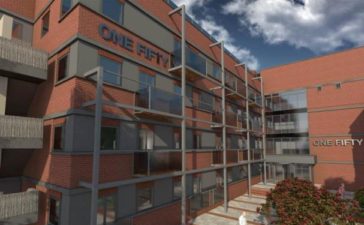

Studio apartment with one bedroom in the city of Swindon – £95000
Developers who create this project, very proud of their brainchild. It is no coincidence, because it is located in...
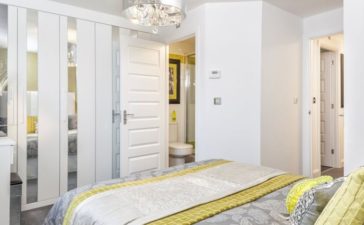

Apartment in Swindon one bedroom – £116000
Stylish and modern new one bedroom apartment occupying a spacious 38 sq. m. View on map Located in the...


House in Plymouth 3 floors 4 bedrooms £185000
Half the house has 3 floors, four bedrooms with an area of 102,67 sqm £185000, built-in garage and a garden...