





Asking prices for property in the UK rose in all parts of the countries , with the exception of London, up 0.5% from month to month in March. The biggest increase in prices was observed in East of England 1% increased prices in the East over the past month amid decline in supply of new housing.
However, early market indicators , such as typical time spent in the market show that the market gradually slows down in response to lower demand. Especially noticeable, contrary to the traditional seasonal expectations, a slowdown in the East and South-East of the country, however, the total free-for-sale housing market is at historically low levels and perhaps the market will just take a little break after the intense rally of the first quarter. In all the regions of England outside London and Wales, an acute shortage of housing is the main driver in determining the movement of the market. On average 6% less housing came on the market compared to the same period last year. Particularly acute is experiencing a shortage of housing in West Midlands, where the number of new housing received in the market, decreased by 12% in March compared to March of 2015.
Similar worst performance was in the South-West of England, where 11% less property came on the market in March 2016.
On the contrary, the improved market indicators observed in the North-West of the country where significantly increased the number of new housing coming onto the market, and in spite of that, the time spent on the market is significantly reduced.
In the whole country, asking prices for residential property in Britain is now 7.5% higher than in April of 2015 and it is expected that prices will rise in the next few months, however, the pace of growth will slow, as there is significant cooling of the market of real estate of London.
Oddly enough, the London real estate again becomes the most attractive to a buyer who can take advantage of the excess of supply over demand and good discounts. Prices in London grew continuously in the last few years and continue to remain prohibitive. Over the past year, for example, in Belgravia, has accumulated 41% of unsold housing and sellers happy to reduce prices by 3% -5%.
The ripple effect of the previous growth of prices for property in London is now spreading to other parts of England, especially the South-West and South-East of the country.
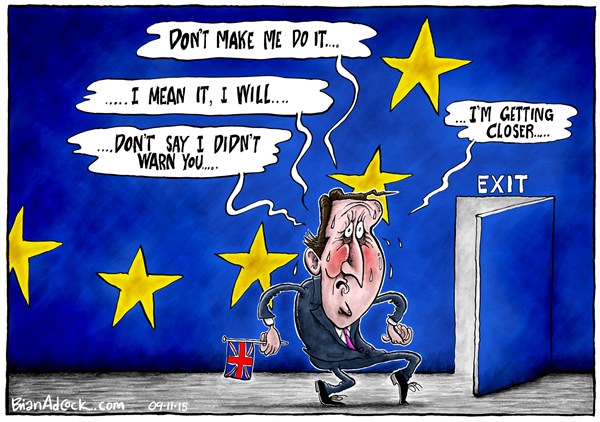
It is expected that due to low supply, prices will continue to rise in southern England up to the end of 2016 and in 2017 . Meanwhile, we cannot disregard the impact of the referendum on the British exit from the European Union . The Bank of England recently stated unequivocally that Brexit is much destabilizie financial system in the UK and will lead to the need of raising interest rates, which greatly crippled the demand for housing in the market of real estate of great Britain.
® Alice Morgan. G. 13.04.2016
Apartment in the heart of London – Westminster
Taxation legal. individuals in the UK
Tax on capital gains in the UK
Land and types of ownership of property UK
The process of buying real estate
Why we recommend to buy new apartments and houses
Why buyers from Russia should not fear sanctions
More than 325 % over two years has earned our clients

The property market in England stable, despite political chaos


The prices of houses and apartments in the UK increased by 2.1% annually to £234625 in November 2019, according to...


AIRBNB wins in London. The most popular areas
According to the study "End of Tenancy" London, Kensington and Chelsea are the most popular areas on the portal Airbnb...


Christmas wish list from Rebecca Scott
Rebecca Scott "FoundItLondon", the Creator of the independent "search engine" real estate in the UK for novice buyers, presented a...

What happens if you remove the VAT on maintenance work and landscaping?
Organization real estate and construction sectors in the UK - Federation of Master Builders and the British Property Federation the...