





The market of real estate in the UK – nearly 30 million housing units. This market is highly sensitive to the income of the British people and the General economic climate.
Overview from the Office for National Statistics showed that in 2014 was of 28.1 million real estate units.
Since 1980, there have been significant fluctuations in the market of real estate of great Britain. All those years took place against the background of growing demand and reduce supply, which contributed to higher prices. Rising prices prevent young people to become owners of their home.
Interesting statistics from 1969:
- in 1969 the average house price was £4,312
- in 1975, the average house price was: £10,388.
- in 1980, the average house price was: £22,676
- in 2016, the average house price: £198,564.
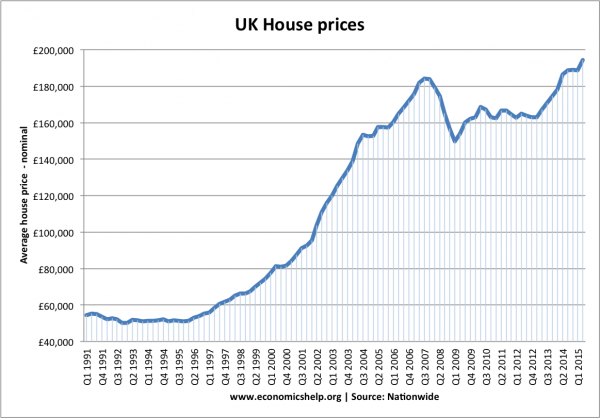
Since 1980, the average price of a home in the UK has grown by 7% per year. Obviously, this is much more than inflation. The biggest jump in prices occurred in 1988, when prices increased during the year to 25.6%. After that, prices were mixed, but the overall trend was steadily. In 2015 the average unit price of housing in the United Kingdom reached £279000.
The main periods of falling housing prices in the United Kingdom occurred in the recession of the early 90s. However, the strongest annual decline happened in 2009, when prices for the year fell by 7.6%. The problems in the economy that began in 2008 has reduced the availability of mortgage lending. In 2006 there were a record number of sales in the real estate market of the United Kingdom. 1.67 million housing units. In 2009 this figure dropped by almost half, but now, although the sales peak has not been reached, we see the annual increase in the number of transactions in the market, which by 2015 has reached 1.23 million All years there is an increase in age, when the buyer becomes the owner of your house or flat in England. If in 1991, 67% of buyers aged 25 to 34 years became the owners in 2014, only 36% of UK citizens in this age group could afford to own a house or apartment. Another change that characterizes the market, has become the size of the Deposit that the buyer pays for mortgage lending. During the period from 1988 to 2009, the amount of the Deposit actually doubled to 28%. This is mostly due to the fact that banks sought to reduce risk and are more willing to give loans to people with a large Deposit. Now the government strives to reduce its Deposit and by 2015 it actually reached 21%. However, still the Deposit is now much higher than in the 80’s 90-ies.
® Alice Morgan. 23.05.2016 G.
Apartment in the heart of London – Westminster
Taxation legal. individuals in the UK
Tax on capital gains in the UK
Land and types of ownership of property UK
The process of buying real estate
Why we recommend to buy new apartments and houses
Why buyers from Russia should not fear sanctions
More than 325 % over two years has earned our clients

The property market in England stable, despite political chaos


The prices of houses and apartments in the UK increased by 2.1% annually to £234625 in November 2019, according to...


AIRBNB wins in London. The most popular areas
According to the study "End of Tenancy" London, Kensington and Chelsea are the most popular areas on the portal Airbnb...


Christmas wish list from Rebecca Scott
Rebecca Scott "FoundItLondon", the Creator of the independent "search engine" real estate in the UK for novice buyers, presented a...

What happens if you remove the VAT on maintenance work and landscaping?
Organization real estate and construction sectors in the UK - Federation of Master Builders and the British Property Federation the...