





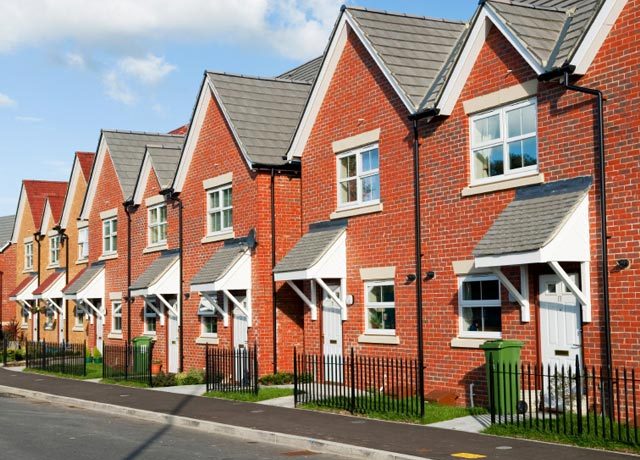
After two years of strong growth of prices in the residential property market in the UK, it seems, began the process of slowing down.
This is evidenced by published data from the Bank of Halifax (the Halifax Index) for September 2014, which says that prices of residential property in the UK in September grew by only 0,6% and has reached its average value of £187188 . For the second consecutive quarter of price growth rates consistently lower.
However, in the year since September 2013, prices have risen by 9.6 percent.
Too rapid inflation in the property market clearly ahead of wage growth. Annual inflation in the housing market is expected in 2014 at the level 10% . The growth rate of house prices, of course, were the result of government support of the housing industry, which in the construction sector was pumped a huge budget. Now, potential buyers have become more careful, expecting the interest rate rise by the Bank of England. Small cooling demand was the reason as the reduced number of sales in the market, and reduce rising prices. It is hoped that next year the growth rate of wages can reduce the gap with the growth rate of housing prices.
The weakening of the demand for residential property talking and leading indicators of sales from mortgage lenders. For the second month in a row there is a decrease in the number of approved mortgage loans. The number of mortgage approvals in August were 16% lower than at its peak in January 2013 and only 1% higher than a year ago, in August 2013,
New market conditions have led to the fact that the number of requests for housing in the UK has decreased, and the number of new housing coming onto the market has increased. As a result, the ratio of demand/supply has improved and sellers can no longer dictate terms in the market.
The main indicator for the entire real estate market of the UK is the London property market, namely the market of elite real estate of London. It is on this market is now the most powerful drop asking prices for the time since the beginning of the 2008 crisis.
Most likely, the effect of London spread to other UK cities in the next three months we will be able to see, if not falling prices for residential property in England, it is definitely a slower pace of price growth. However, in the long term this circumstance will not affect the market and price Outlook next 5 years is steady growth.
® Helen Entree. 10.10.2014 g.

The property market in England stable, despite political chaos


The prices of houses and apartments in the UK increased by 2.1% annually to £234625 in November 2019, according to...


AIRBNB wins in London. The most popular areas
According to the study "End of Tenancy" London, Kensington and Chelsea are the most popular areas on the portal Airbnb...


Christmas wish list from Rebecca Scott
Rebecca Scott "FoundItLondon", the Creator of the independent "search engine" real estate in the UK for novice buyers, presented a...


What happens if you remove the VAT on maintenance work and landscaping?
Organization real estate and construction sectors in the UK - Federation of Master Builders and the British Property Federation the...