





At home in Edinburgh :
House with 4 bedrooms, Edinburgh
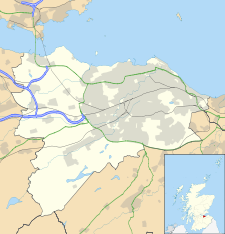
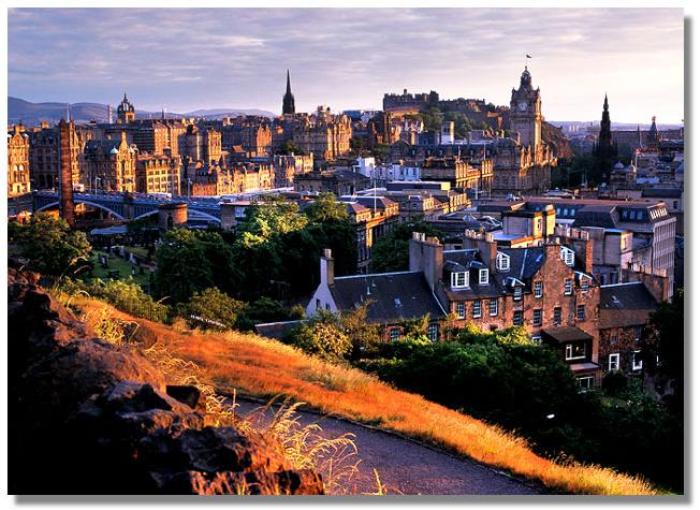
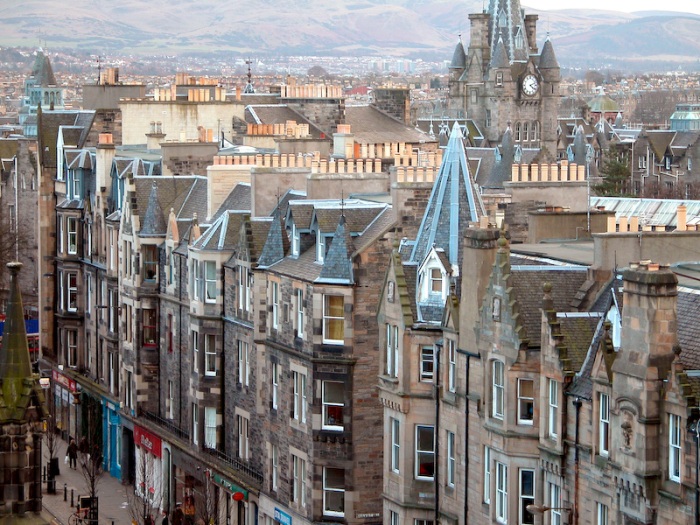
Edinburgh. This ancient and beautiful city located on the East coast of Scotland. Nearly six centuries, Edinburgh is the undisputed capital of Scotland and the administrative centre of its region that bears the same name. The city is divided into two halves, called the Old and New town, both parts were listed in the world Heritage list in 1995. Every year Edinburgh receives huge number of tourists, about thirteen million, which makes the capital of Scotland second in the UK in popularity among tourists, second only to London. Edinburgh is one of those cities where cultural and architectural heritage of the past epochs were retained in the best possible form, because the city is replete with a huge number of historical monuments, mostly Dating to the middle Ages. Many houses, each of which has a long history, comparable only with the history of the oldest houses in England, show the main trends of the UK property at the time. The city’s population is approximately 487.000 people.
The capital of Scotland has a very long history that begins in the bronze age. Scientists have found irrefutable evidence that those lands were primitive tribes in the form of traces of stone villages, characteristic of that age.
The history of Edinburgh as a city begins with the Roman expansion, which is characteristic of many other cities. When the first Romans in the first century ad came to these lands, he found the settlement a “Votadini” that most likely is the Roman version of the name given to the Celtic Britons who lived in those territories. The descendants of these tribes subsequently established the fortress Etin or Din Eidyn, which is probably the prerequisite for modern names. Historians claim that in the VII century thanks to Anglo-Saxon expansion, the fortress became known as Edin-burh, which some scholars can be translated as “Fortress of Edwin”, attributing it to Edwin, king of Northumbria.
The development of Edinburgh as an independent town began in the XII century, thanks largely to king David the First, who made Edinburgh his capital, moved to his yard, and also built the Church of the Holy cross. Finally, the status of the capital was established in Edinburgh in the XIII-th century, because it was the seat of Scottish Parliament.A separate page in the history of Edinburgh and Scotland in General, is the era of Mary First Stuart. As the daughter of the king of Scotland of James V, Mary in early childhood inherited the throne of the country, as after the defeat in the war against England, her father and both brothers died tragically. In 1543 she was crowned within the walls of Stirling castle. And after only five years on the agreement of marriage with the Dauphin Francis, which provided Scotland’s military aid to the French, Mary was sent to France. The French court met her very warm, because she made a lasting good impression on almost all of the aristocracy, and eventually received an excellent education, particularly if you learn a few European and ancient languages, became a Muse for many artists of the time. Mary Stuart was Queen of France for very long – with 1559 at 1560, and immediately after arrival in Scotland in 1561, took the throne of Scotland and claim to the throne of England. However, after six years she was deposed by the lords of Scotland and fled to England, under the protection of Elizabeth the First. Being a pretender to the English throne, she was extremely worried about the current Queen and her desperate struggle and the unwillingness to surrender and to renounce the struggle for power. Even while in prison she has not ceased to build intrigues against Elizabeth, which ultimately led to her execution in 1587.
The political significance of Edinburgh slept in the beginning of the XVIII-th century, when it was dissolved the Scottish Parliament, however, this event had no impact on the cultural life of the city. During the Enlightenment the city was chosen by many great scholars and writers who worked and rested, enjoying the beautiful architecture of the city. Among the most famous inhabitants of the city were such geniuses of literature and science, as the philosopher David Hume, the founder of the economic theory Adam Smith, the world famous writer, Sir Walter Scott, the inventor, Alexander bell, Robert Lewis Stevenson, the writer of the adventure genre, Sir Arthur Conan Doyle, author of the popular all-century detective novels about Sherlock Holmes and many many others. Among our contemporaries it is possible to note Tony Blair, Prime Minister of great Britain, and author of books about Harry Potter JK Rowling.In the middle of the XIX-th century there was a sharp increase in the population of Edinburgh, largely because of the huge number of immigrants from Ireland. At the end of the XX-th century the Scottish Parliament was restored and now sits in Edinburgh.
It was a turning point in the economy of the city, making it one of the largest in terms of the economy of cities in the UK. A large percentage of the revenue it brings tourism, because investment in property in Edinburgh bring almost the most revenue compared to other indicators of the UK property as a whole. As well-developed banking sector, for example, the Royal Bank of Scotland occupies a leading place in the world rankings. Probably the main attraction of the capital of Scotland from the point of view of architectural value is the Edinburgh castle. It was built on the hill “castle Rock” in the middle ages .
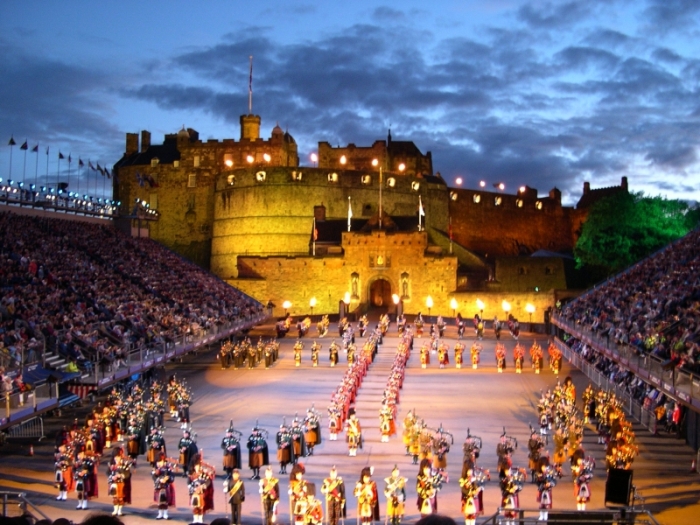
The oldest surviving buildings refers to the beginning of XII-th century, is the chapel of SV. Margarita. This castle was the residence of the kings of Scotland until the beginning of the seventeenth century, when England and Scotland were United. Since that time the castle began to be used as a military base and then as a prison. Edinburgh castle is not only an architectural, but also historical value, presenting military history. There is a Museum devoted to this subject, as well as one of the biggest guns in the world. Not less attention and the “Royal Mile”.
This architectural complex located in the Old town – a unique opportunity to experience the middle ages through have not changed the streets of those times, to see that it was typical for the house and deadlocks, so when he reached Edinburgh castle. These streets and dead ends are associated a lot of stories, for example, the Deadlock Mary king, about which was piled a lot of dark legends. Also there are souvenir shops, many museums and the Cathedral. Giles. The cultural life of Scotland is largely concentrated in the capital city, Edinburgh, in fact there are : the national Gallery of Scotland, writers ‘ Museum, Museum of childhood, Museum of city of Edinburgh’s history and even a center dedicated to Scotch whisky. But in August, the city blooms with new colors, as each year there is held the largest festival in the world Edinburgh, which often puts a number of other, smaller festivals. However, completion of the Edinburgh festival doesn’t stop the festival life of the city, as each year there are at least three dozen others, such as the Edinburgh fringe dedicated to the art of different countries.
®Mark Saruhanov
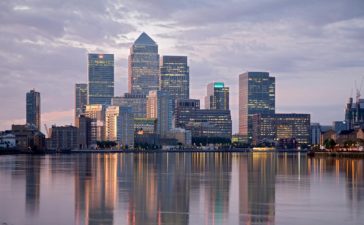
New project for investment in Canary Wharf


Vertus, the operator of real estate Canary Wharf Group, has presented the first building of its project "Build-to-Rent" , which...
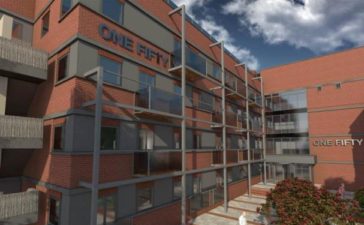

Studio apartment with one bedroom in the city of Swindon – £95000
Developers who create this project, very proud of their brainchild. It is no coincidence, because it is located in...
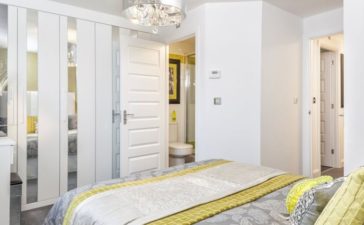

Apartment in Swindon one bedroom – £116000
Stylish and modern new one bedroom apartment occupying a spacious 38 sq. m. View on map Located in the...


House in Plymouth 3 floors 4 bedrooms £185000
Half the house has 3 floors, four bedrooms with an area of 102,67 sqm £185000, built-in garage and a garden...